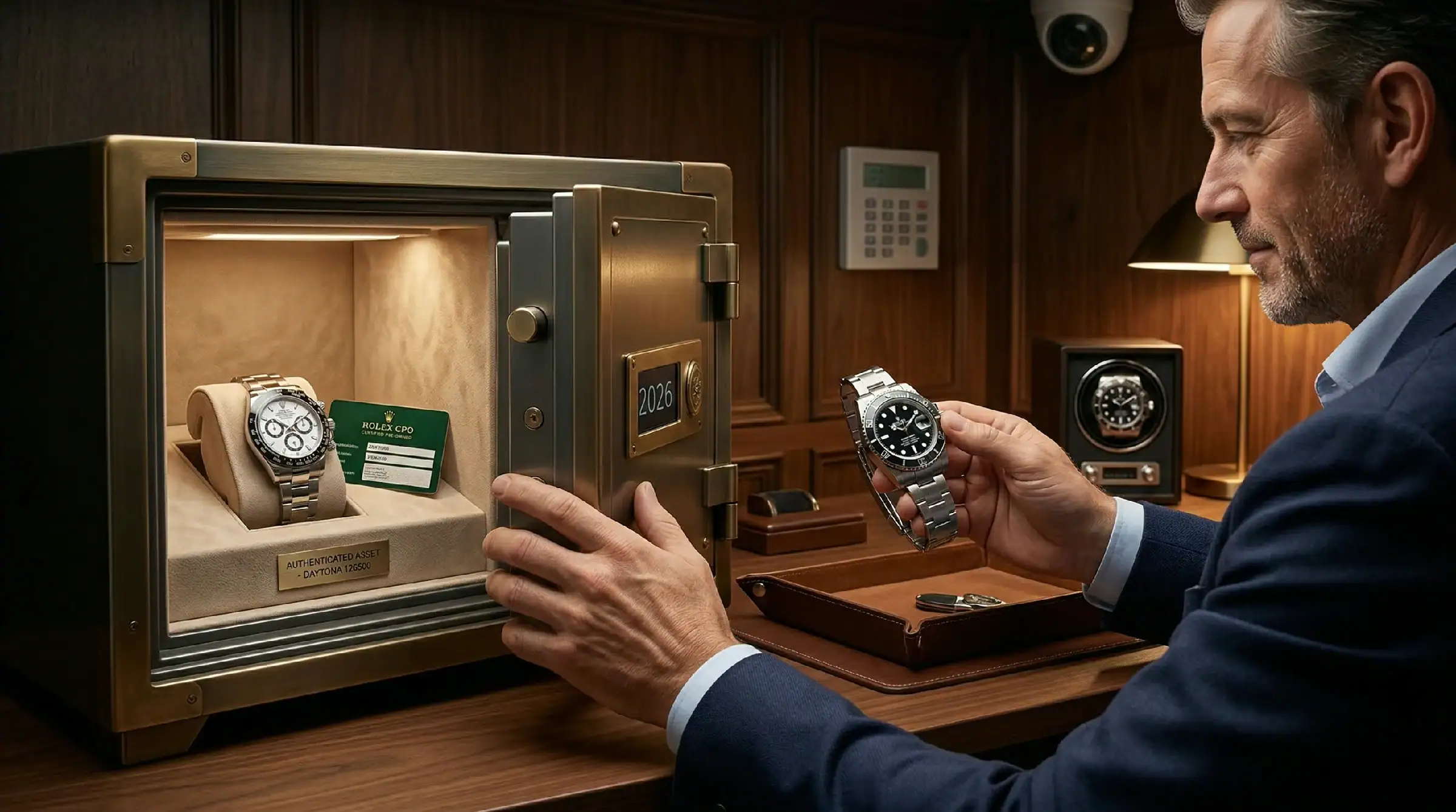
Introduction In the high-stakes world of luxury horology, 2026 has cemented a quiet but profound shift in how collectors interact with their timepieces. The modern Rolex—be it a pristine Cosmograph Daytona or a rugged Submariner—is no longer just a tool watch; it is a highly liquid, hyper-valued alternative asset class. But this astronomical rise in physical value has birthed a fascinating behavioral paradox among high-net-worth individuals: the rise of the “Dual Owner” phenomenon and the implementation of the “Stunt Double” strategy.
The Reality of Modern Ownership: Risk and Depreciation For decades, the ethos of owning a Rolex was to wear it through every phase of life. Today, that romantic notion collides with harsh economic realities. A 126500LN Daytona, trading around $37,000 on the secondary market, can lose thousands of dollars in value from a single, deep scratch sustained on a golf course or a desk-diving incident at the office.
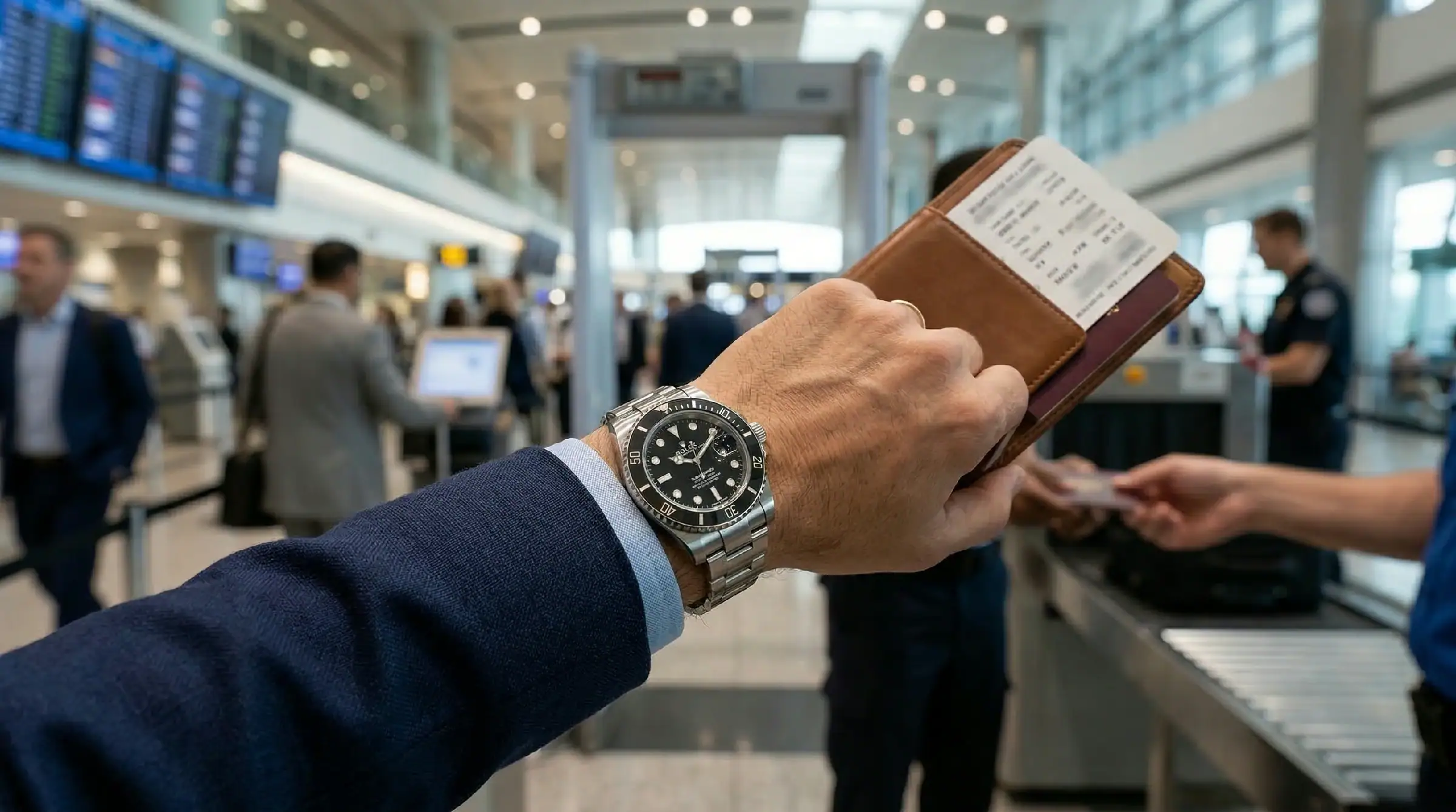
Furthermore, the global landscape of urban security has dramatically altered wearing habits. In major cosmopolitan hubs from London to Los Angeles, luxury watch theft has evolved into highly organized, targeted operations. For the frequent traveler or the metropolitan executive, wearing a $20,000 GMT-Master II “Bruce Wayne” on a casual evening out has transitioned from a status symbol to a genuine security liability.
Enter the “Stunt Double” Strategy Faced with the dilemma of protecting their investments without giving up the aesthetic pleasure of wearing their favorite designs, a growing faction of seasoned collectors has adopted a pragmatic workaround borrowed from Hollywood: the stunt double.
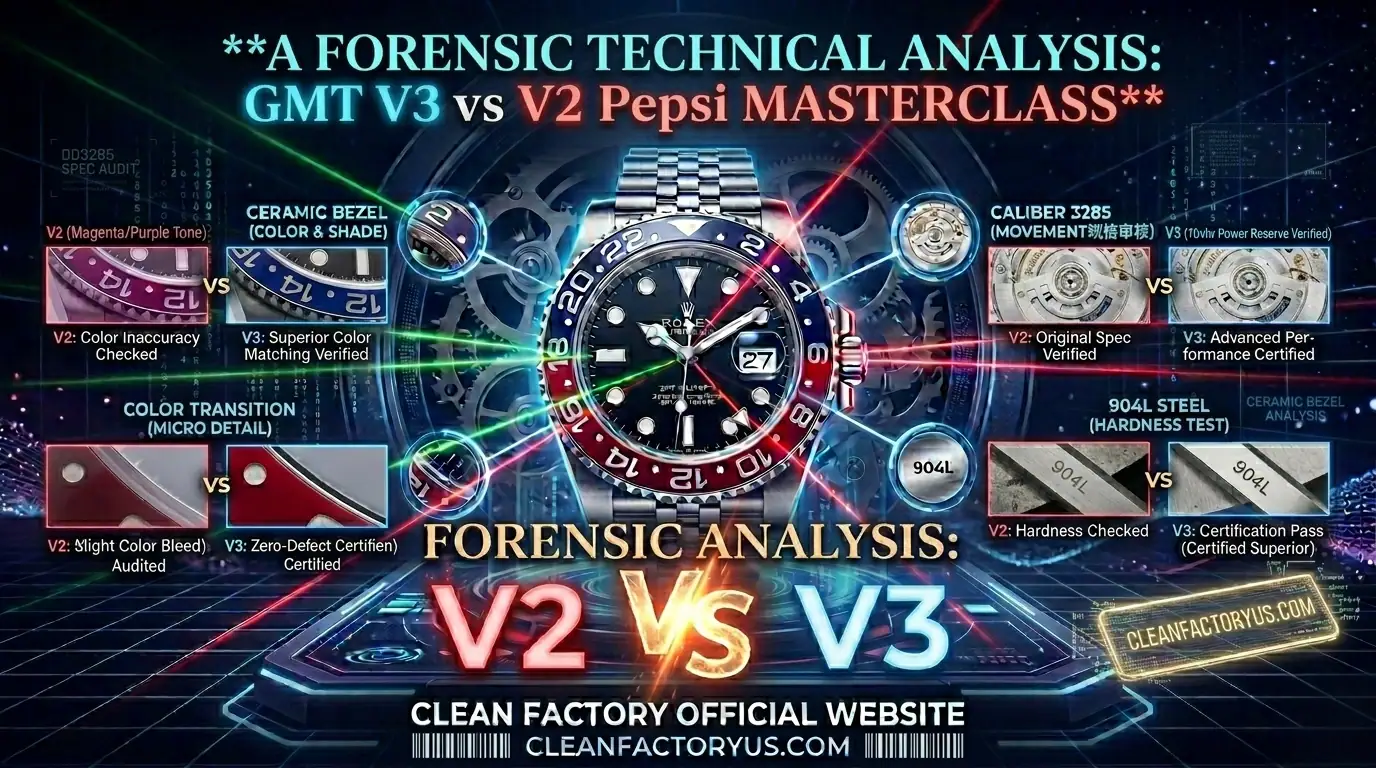
In filmmaking, the stunt double takes the physical risk so the multi-million-dollar leading actor remains unharmed. In the 2026 watch community, the “leading actor” is the genuine Rolex, resting safely in a climate-controlled bank vault or a secure home winder. The “stunt double” is a meticulously engineered, 1:1 super clone rolex often sourced from top-tier gray-market manufacturers like Clean Factory—worn strictly as a daily decoy.
The Industrial Shift That Made It Possible This behavioral shift wouldn’t be possible without the terrifying evolution of reverse-engineering in the replica industry. We are no longer talking about the cheap, Canal Street knock-offs of the early 2000s. The decoys utilized by today’s collectors are industrial marvels.
Top-tier manufacturers now utilize spectrograph-verified 904L Oystersteel, matching the exact chromium, nickel, and copper ratios of the original. They employ cloned movements (like the Dandong DD3285 or DD4131) that offer authentic 70-hour power reserves and true jumping-hour GMT functionalities. The physical tolerances and weight distribution are so precise that, on the wrist, the wearer experiences the exact same ergonomic comfort and visual presence as their genuine counterpart locked away in the safe.
A New Philosophy of Collecting This trend has sparked intense philosophical debates on forums and at watch meetups. Is it sacrilege to wear a clone of a watch you actually own? Or is it the ultimate form of asset protection?
For the “Dual Owner,” the logic is cold and calculated. They have already paid the premium to the Authorized Dealer. They own the genuine heritage, the warranty card, and the investment equity. The $600 “stunt double” simply functions as an uninsurable insurance policy—a sacrificial lamb for travel, risky commutes, or weekend adventures. If the watch gets magnetized, deeply scratched, or—in the worst-case scenario—robbed, the owner hands it over without a second thought, secure in the knowledge that their true asset remains untouched.
Conclusion The 2026 watch market is defined by extremes. As official retail prices climb and secondary market premiums stabilize at high altitudes, the way we wear luxury has fundamentally changed. The “Stunt Double” strategy is more than just a gray-market loophole; it is a direct, behavioral response to the financialization of horology. It proves that in today’s landscape, the ultimate luxury isn’t just owning a masterpiece—it’s having the peace of mind to leave it at home.