A Technical Navigation Guide for Movement Behavior and Finishing
If your goal is to evaluate a replica watch through engineering logic rather than spec-sheet shortcuts, you need a consistent way to move across models without changing standards every time. This guide maps the core families most readers care about—Daytona, Submariner, and GMT—and explains what each line reveals about movement behavior, tactile feedback, and finishing discipline.
Within the clean factory rolex space, the biggest mistake is treating all models as interchangeable “versions.” They are not. Each platform stresses the movement in different ways, and therefore highlights different strengths and weaknesses. This model map is designed to keep your evaluations consistent even when the watch style changes.
How to Use This Model Map
Think of each family as a mechanical test environment:
Daytona tests chronograph engagement, reset geometry, and load handling.
Submariner tests bezel mechanics, daily winding consistency, and dial legibility under mixed light.
GMT tests time-setting logic, hand coordination, and stability under frequent adjustments.
Instead of asking which one is “better,” you use the platform to answer a tighter question: what does this design reveal about movement integration and manufacturing control?
This approach works well for readers searching super clone rolex content because it replaces vague impressions with repeatable checks. It also aligns with how Google tends to rank long-term reference pages, since the content has a clear purpose and stable intent.
Daytona: Chronograph Behavior as the Core Signal
The Daytona platform is the most direct way to judge chronograph behavior because the movement is being asked to do real work, not just display a complication. A daytona replica that looks clean on the outside can still show mechanical compromises in the first ten seconds of use.
Focus on three behaviors.
Engagement smoothness matters because the chronograph introduces extra load the moment it starts. If the seconds hand hesitates or jumps, you are seeing torque transfer that is not being introduced cleanly. When engagement feels progressive, it usually indicates better clutch control and alignment.
Pusher feedback is another diagnostic. A consistent resistance profile suggests that lever travel, spring tension, and contact surfaces are working within balanced ranges. If a pusher feels sharp one time and soft the next, that inconsistency often traces back to friction points or return dynamics.
Reset accuracy is the final stress point. A clean reset is not just aesthetic. It reflects stable interaction between the reset hammer and the heart cams, plus alignment across the chronograph train. This is where many Rolex replica discussions stay too shallow, because reset behavior cannot be explained by power reserve numbers.
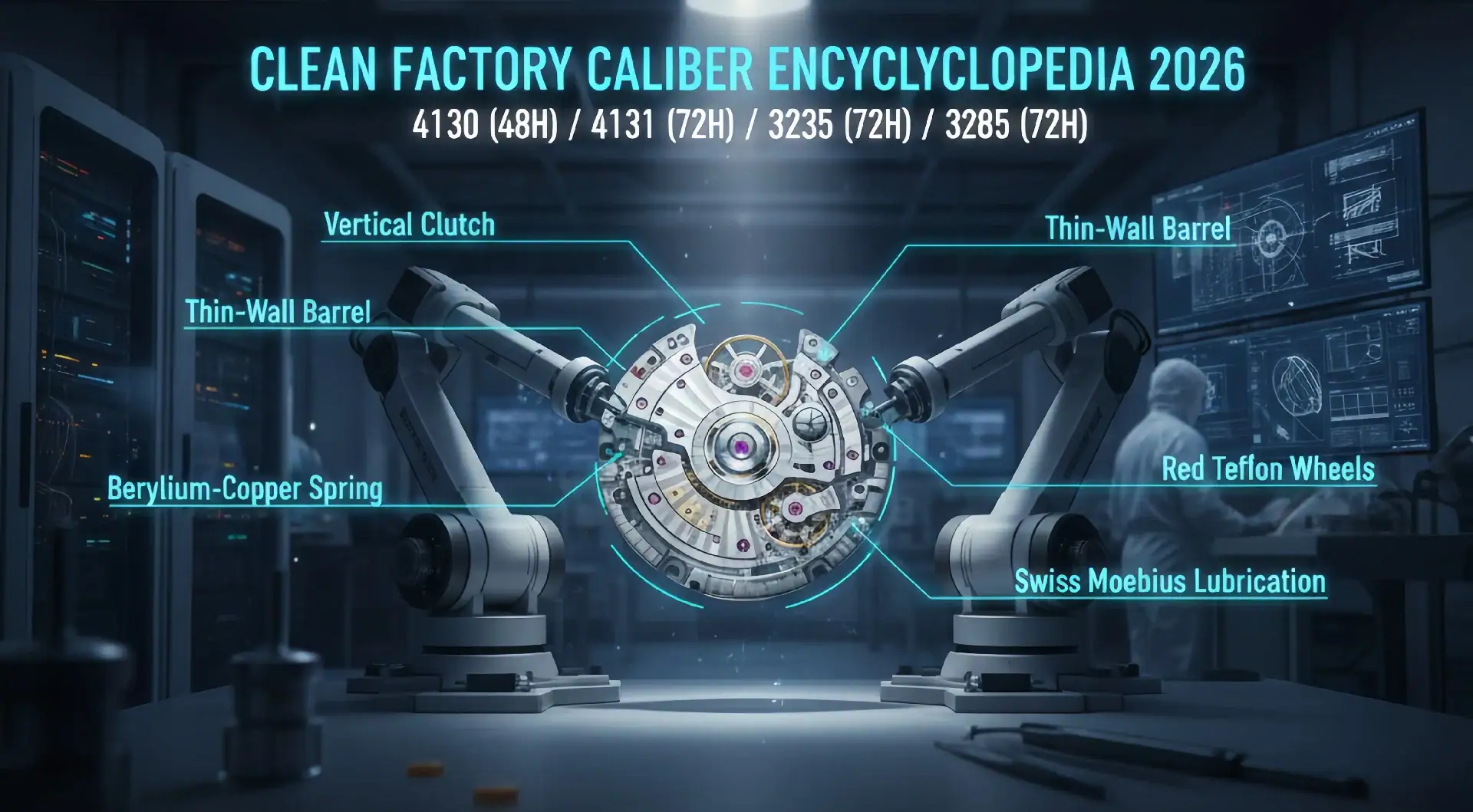
Movement context that usually appears with Daytona discussions includes the 4130 movement and the 4131 movement. Even when the case and dial look similar, the real learning comes from how the chronograph behaves under repeated use, and whether that behavior stays consistent after days of wear.

Submariner: Bezel Mechanics, Daily Stability, and Dial Readability
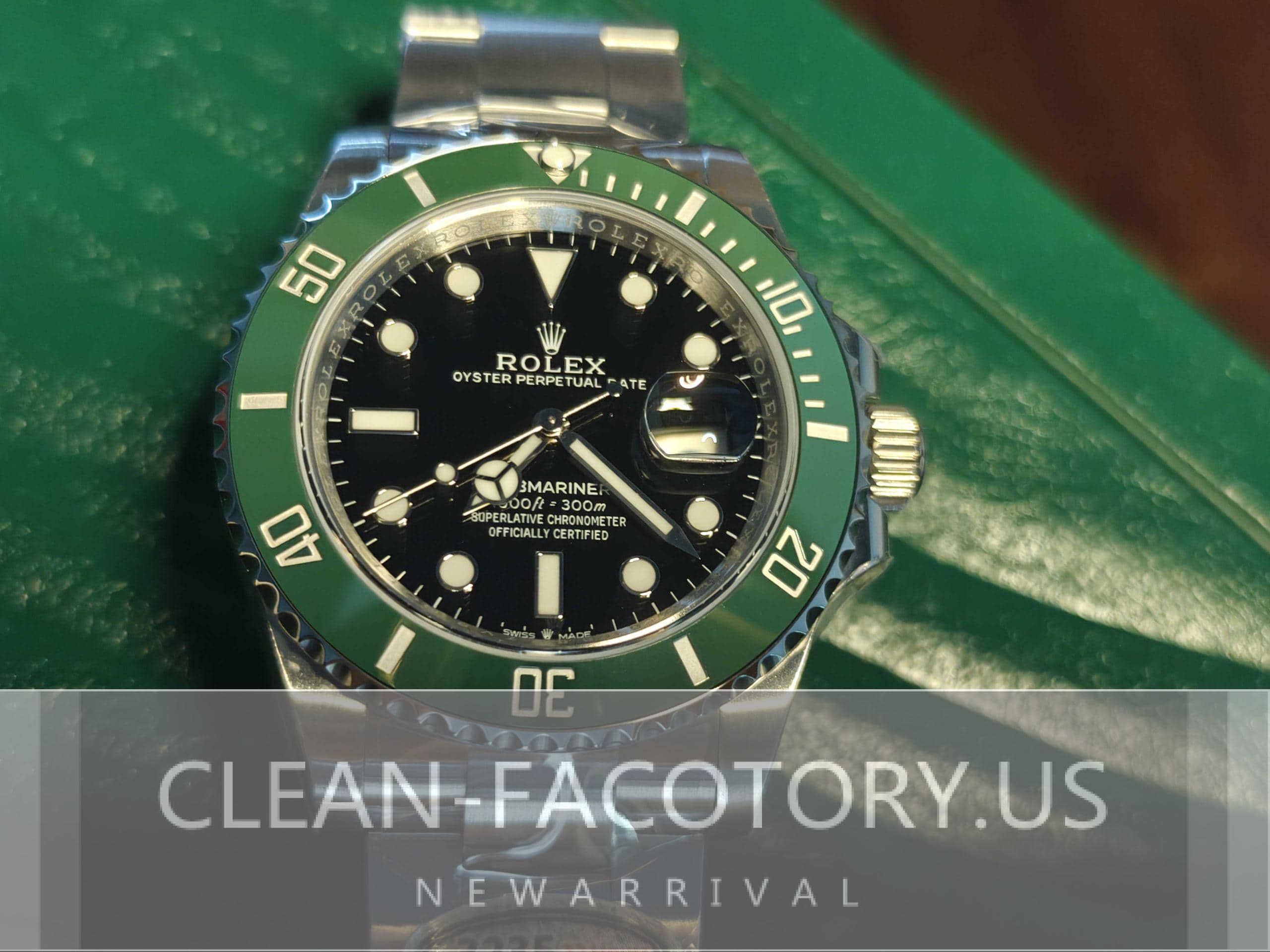
The Submariner family is a different kind of test. It is less about short bursts of mechanical load and more about stable daily rhythm. Many replica rolex buyers focus on the bezel and dial aesthetics, yet the better engineering story is how the whole system behaves after normal wear cycles.
Start with the bezel because it is a mechanical interface you use constantly. Bezel feel is driven by click spring geometry, friction surfaces, and tolerance control. A bezel that feels crisp without grinding suggests that the interaction between the click element and the bezel teeth is controlled, and that the friction ring is doing its job without excessive drag.
Next, look at winding feel across a full day. A stable daily watch should feel consistent when you wind it in the morning and when you set it after rest. If winding becomes rough or uneven, you may be seeing a winding train that is sensitive to lubrication distribution or rotor efficiency. These are small details, but they accumulate into long-term comfort and confidence.
Submariner models are also ideal for dial legibility checks because many versions rely on high-contrast layouts. Under mixed indoor light, you can observe whether the printing edges stay clean, whether the lume plots appear even, and whether the crystal and dial combination produces clarity without glare spikes. That optical stability matters more than a single “bright lume” photo.
Movement context here often points toward the 3235 movement. For a platform that lives on daily wear, stability and predictability are the correct evaluation targets, not dramatic claims.
GMT-Master II: Setting Logic, Hand Coordination, and Adjustment Stability
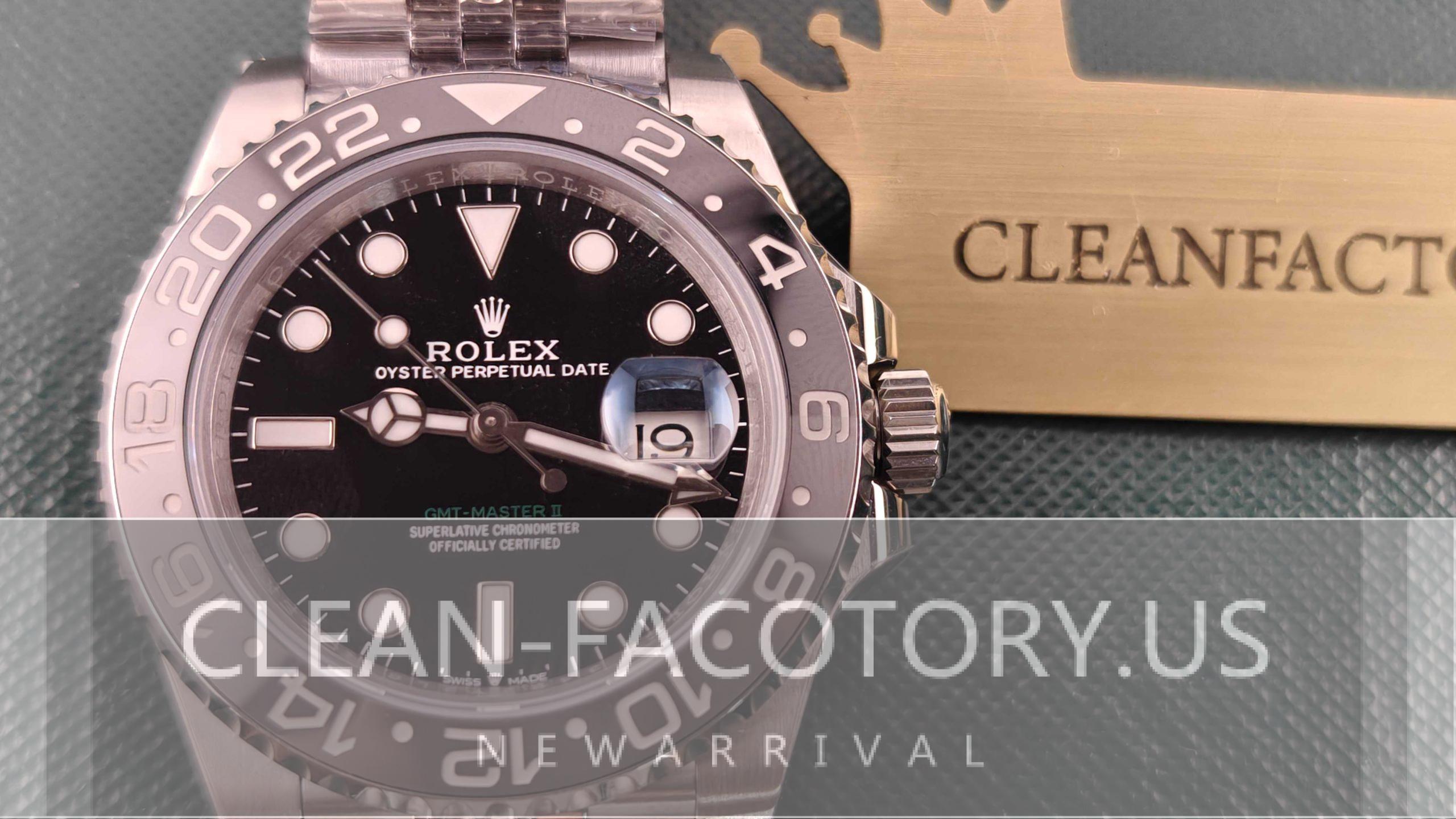
GMT models are the most underused platform for technical evaluation because the key behaviors only appear when you interact with the setting system. A GMT watch reveals whether the movement can handle frequent adjustments without developing roughness, slack, or misalignment.
Begin with crown operation. The crown should move through winding and setting positions with consistent resistance. If you feel vague transitions or a scratchy change in resistance, that often indicates misalignment in the keyless works or uneven lubrication in the setting components.
Then evaluate hand coordination. GMT setting exposes how the hands behave relative to each other when you adjust time. A stable system keeps alignment predictable, and it avoids the sense that the hands are “catching” as you pass certain points. This is not about comparing to any external reference. It is about how coherent the movement feels as a mechanism.
GMT platforms are also a useful place to evaluate how the movement handles repeated user input. If you travel, or you simply adjust your watch often, you will notice whether the system remains smooth after many cycles. That durability of feel is a practical sign of quality within a rolex super clone context.
Movement discussions here commonly involve the 3285 movement architecture. The real focus should stay on adjustment stability rather than on marketing-style feature lists.
Cross-Model Checks That Keep Your Reviews Consistent
Across Daytona, Submariner, and GMT platforms, the same evaluation logic should remain stable. Dial surfaces need precise terminology because gloss lacquer, sunray finishing, and concentric textures behave differently under light. Case geometry and weight distribution also matter because comfort and balance reveal integration quality over long wear. Finally, movement behavior should be described through interaction outcomes—winding feel, setting resistance, and function engagement—so each review stays comparable across models.
Other Families (Short Notes)
- Datejust: dial printing discipline, date change feel, and bracelet comfort under long wear.
- Day-Date: heavier case balance, bracelet articulation, and finishing consistency on larger surfaces.
- Yacht-Master: bezel action, polished surface control, and reflections under strong light.
- Explorer: legibility geometry, matte vs gloss contrast, and low-profile comfort.
- Sea-Dweller / Deepsea: case mass distribution, crystal presence, and long-wear stability.
- Oyster Perpetual / Air-King: dial surface cleanliness, minute track precision, and simple movement behavior.
Suggested Internal Link Anchors for a Clean Structure
To build a stable cluster, link out using anchors that describe technical intent rather than product hype:
- Clean Factory Daytona chronograph behavior
- What Makes a Super Clone Rolex Movement Stable
- 2025 Year-End Replica Watch Report: What Shaped the Market and What Will Lead 2026
- Rolex Daytona 126500 vs 116500 (Replica Perspective)
- Clean Factory Rolex GMT-Master II Practical Playbook (2025)Three Weeks with the
- Clean Factory Rolex GMT-Master II 126720VTNR “Green Lantern” — Living with a Left-Handed Rolex
- Top Rolex Replica Trends in 2025: What’s Hot Right Now